


The IDRC Research Chair on Forced Displacement in Anglophone West Africa has recorded another milestone in its efforts to strengthen migration research capacity, with two early-career beneficiaries completing their PhD programmes in Migration Studies at the University of Ghana’s Centre for Migration Studies (CMS).
Dr. Dziedzorm Abra Adzam and Dr. Asher Amanor are among the emerging scholars who benefited from research capacity-building opportunities provided through the Chair, including collaborative workshops organised between 2024 and 2026 for PhD students and early-career researchers.
The workshops were organised in collaboration with the Africa Centre for the Study and Research on Migration (ACSRM) and the Cluster of Research Excellence (CoRE) in Migration and Health, bringing together researchers working across different areas of migration scholarship, including forced displacement, migration and health, mobility and migration governance.
Through these partnerships, the workshops provided platforms for scholars to strengthen their research capabilities, engage in scholarly exchange and receive training in key areas including research methodology, academic writing, data analysis and the preparation of manuscripts for peer-reviewed publications. The engagements also fostered interdisciplinary collaboration and helped build networks among emerging migration researchers across the region.
Dr. Adzam’s doctoral research, titled “Mental Health of Female Victims of Trafficking: A Qualitative Study,” examined the psychological experiences of female survivors of trafficking and the importance of trauma-informed and survivor-centred approaches in supporting affected populations.

With a background in clinical psychology, Dr. Adzam said her engagement with the Chair and its partner initiatives deepened her understanding of the connections between migration, trauma, resilience and mental health. She expressed appreciation to Prof. Mary B. Setrana, Chair of the IDRC Research Chair on Forced Displacement in Anglophone West Africa, for the mentorship, guidance and opportunities provided to emerging migration scholars.
Dr. Amanor’s doctoral research, titled “Mobility and Immobility Experiences of Convicted Drug Mules in Ghana,” explored the movement decisions of convicted drug mules, experiences of involuntary immobility during incarceration and how these experiences shape future migration aspirations.
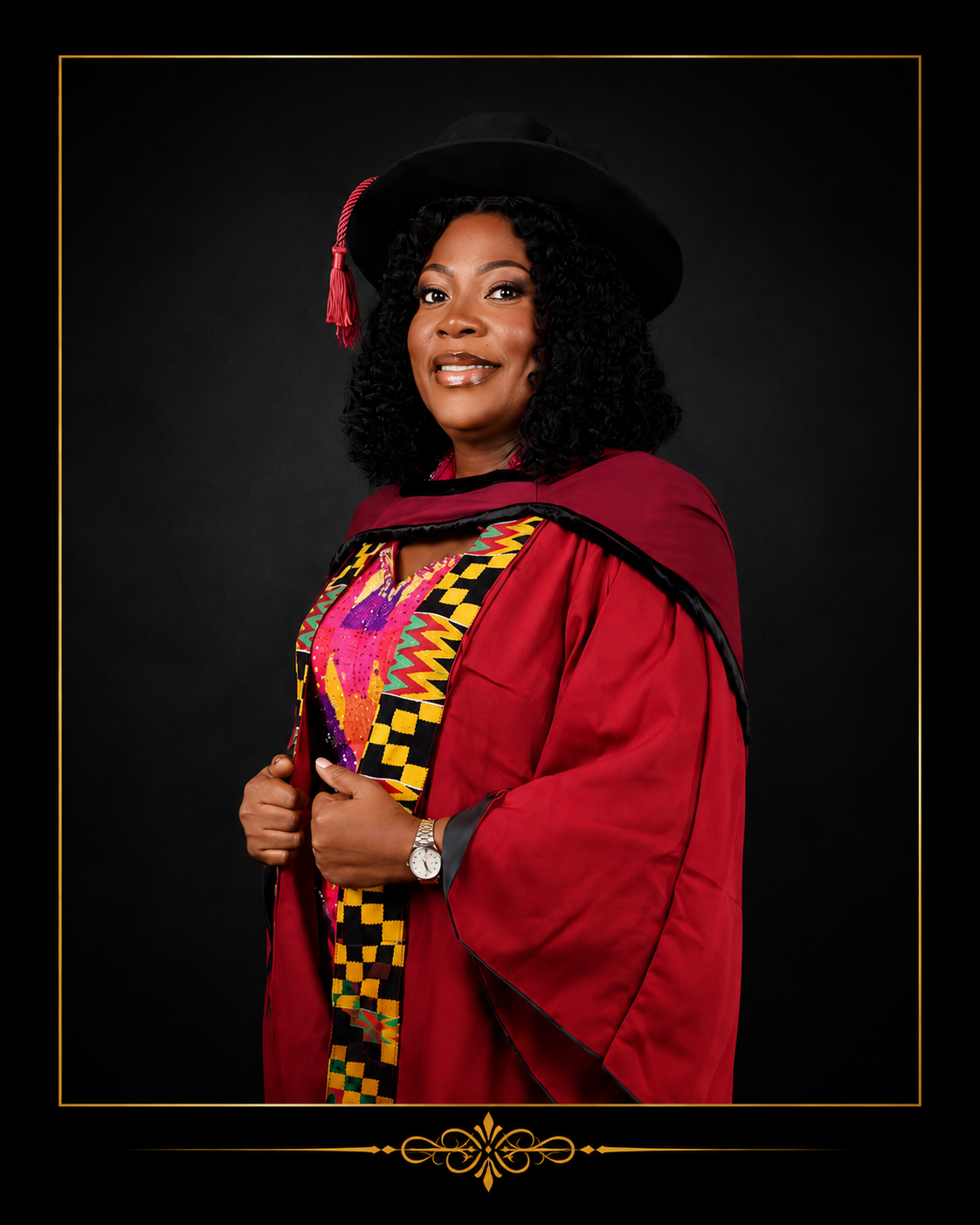
Drawing on her professional experience as a Narcotics Analyst with the Narcotics Control Commission, Ghana, Dr. Amanor examined drug trafficking through a migration perspective, contributing to broader understanding of the relationship between mobility, vulnerability and migration governance.
She noted that the Chair’s capacity-building activities, including the collaborative workshops with ACSRM and CoRE, strengthened her skills in research methodology, academic writing, data analysis and scholarly publication, equipping her to contribute more effectively to migration research and policy discussions.
The completion of their doctoral studies by Dr. Adzam and Dr. Amanor highlights the impact of strategic investments in early-career researchers and the value of partnerships in advancing migration scholarship.
Through collaboration with institutions and research networks such as ACSRM and CoRE, the IDRC Research Chair continues to support the development of scholars equipped to generate evidence, influence policy conversations and contribute to responses to forced displacement and migration challenges in Anglophone West Africa
- Log in to post comments